Blog
Genetics, plainly.
Explainers and deep-dives on the science behind your DNA report — methylation, neurotransmitters, polygenic risk, and what to actually do about them.
Featured
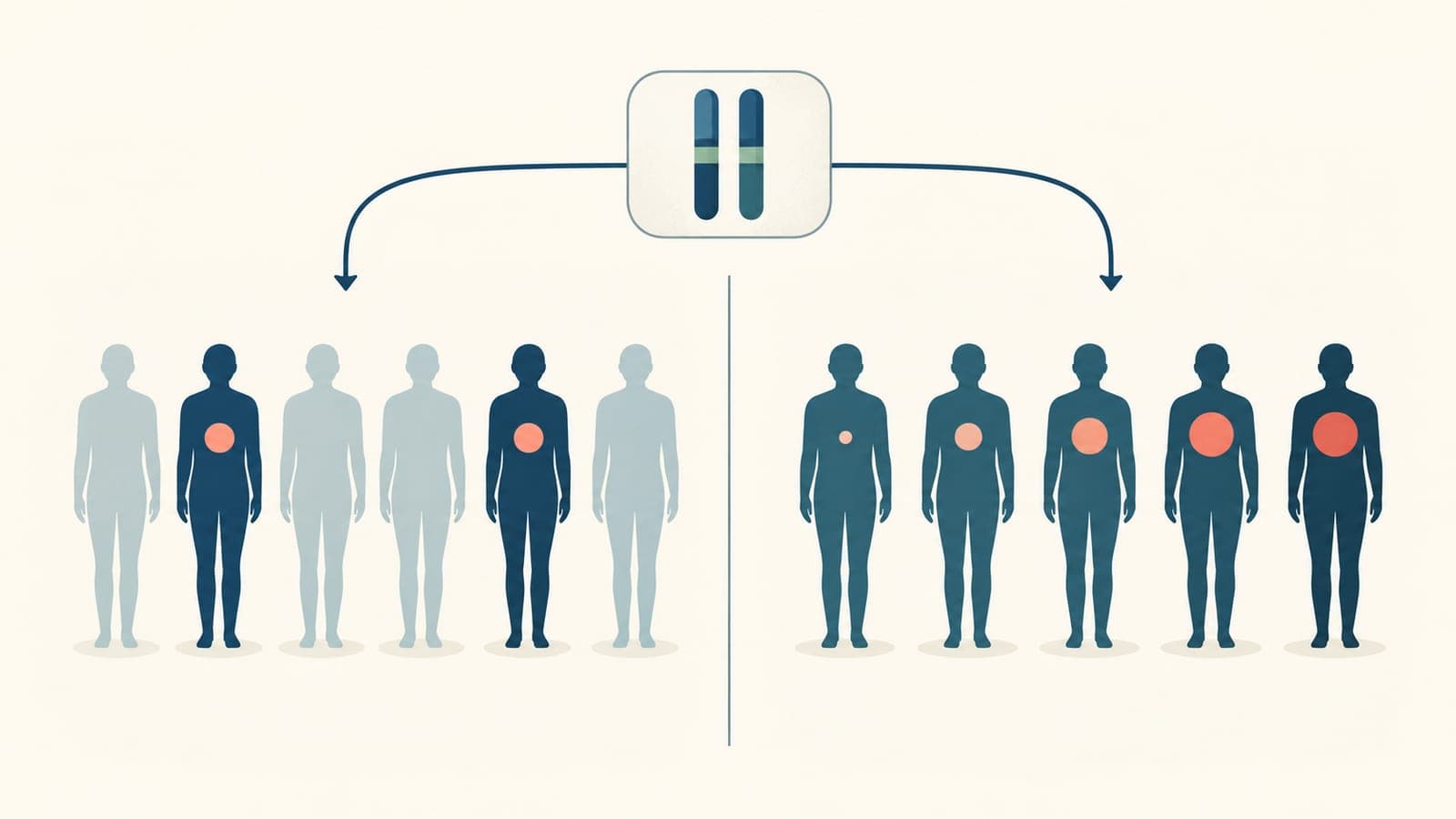
Penetrance vs Expressivity: The Difference
Learn how genetic penetrance differs from variable expressivity, why both depend on context, and what a consumer raw DNA file cannot tell you alone.
October 20, 2026 · 4 min read
snps explained
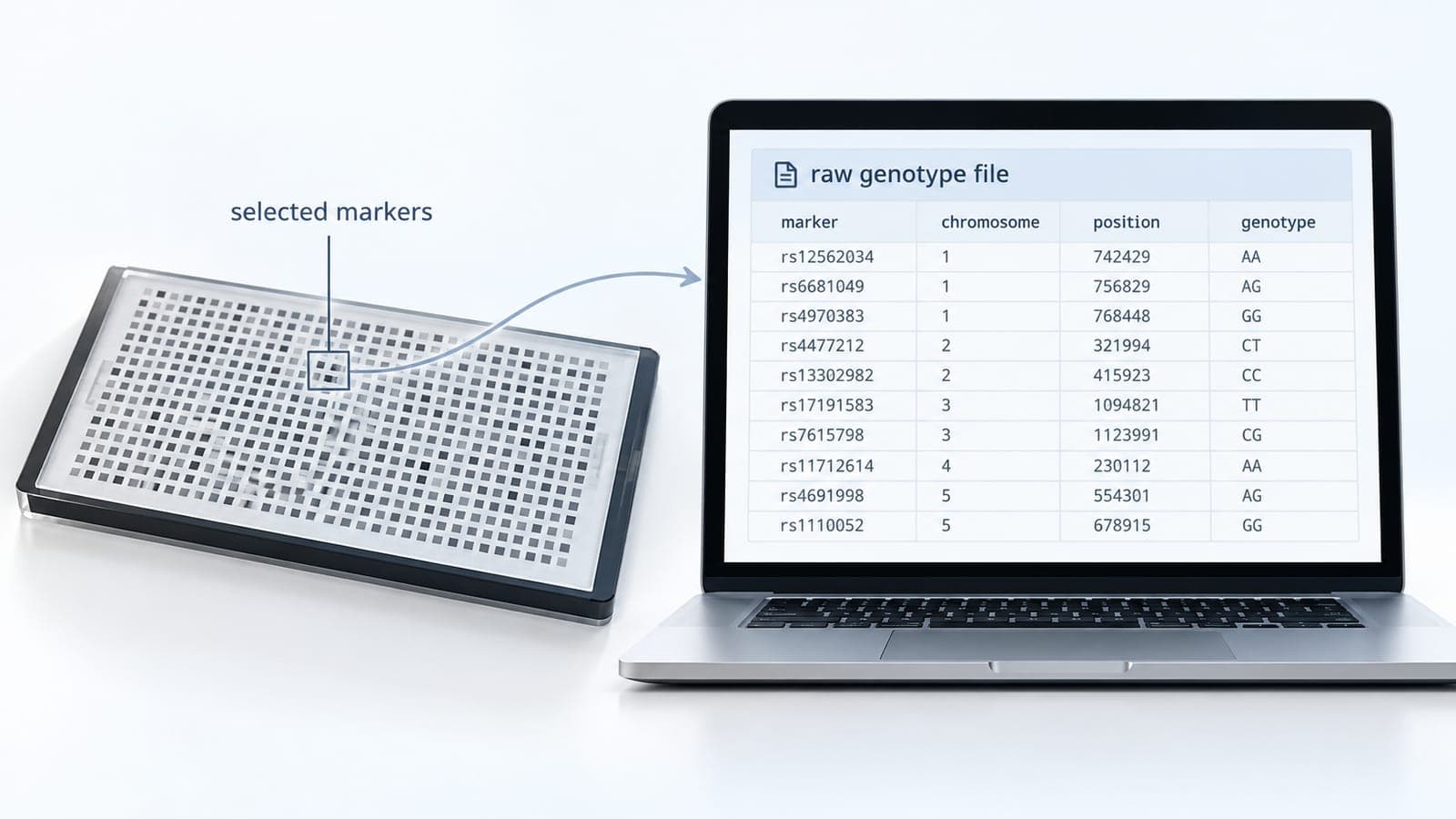
SNP Microarray: What Raw DNA Files Measure
Learn how SNP microarrays create selected marker calls, what appears in a raw DNA file, and why those rows are not a full clinical genome result.
October 13, 2026 · 5 min read
population frequency
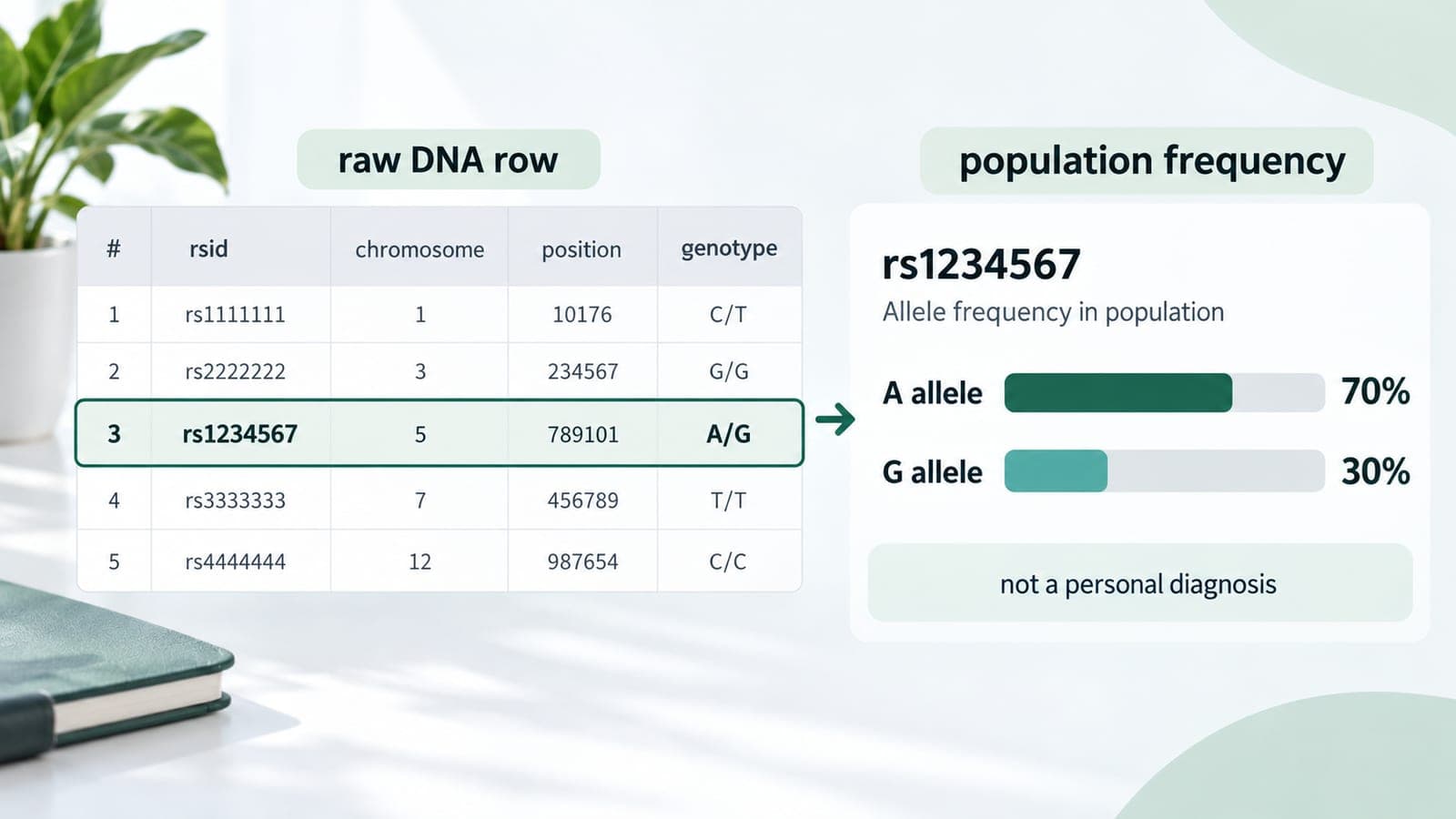
Allele Frequency: How Common a DNA Variant Is
Learn what allele frequency means in raw DNA reports, why population context matters, and how to avoid treating frequency as a personal diagnosis.
October 12, 2026 · 5 min read
clinical genetics
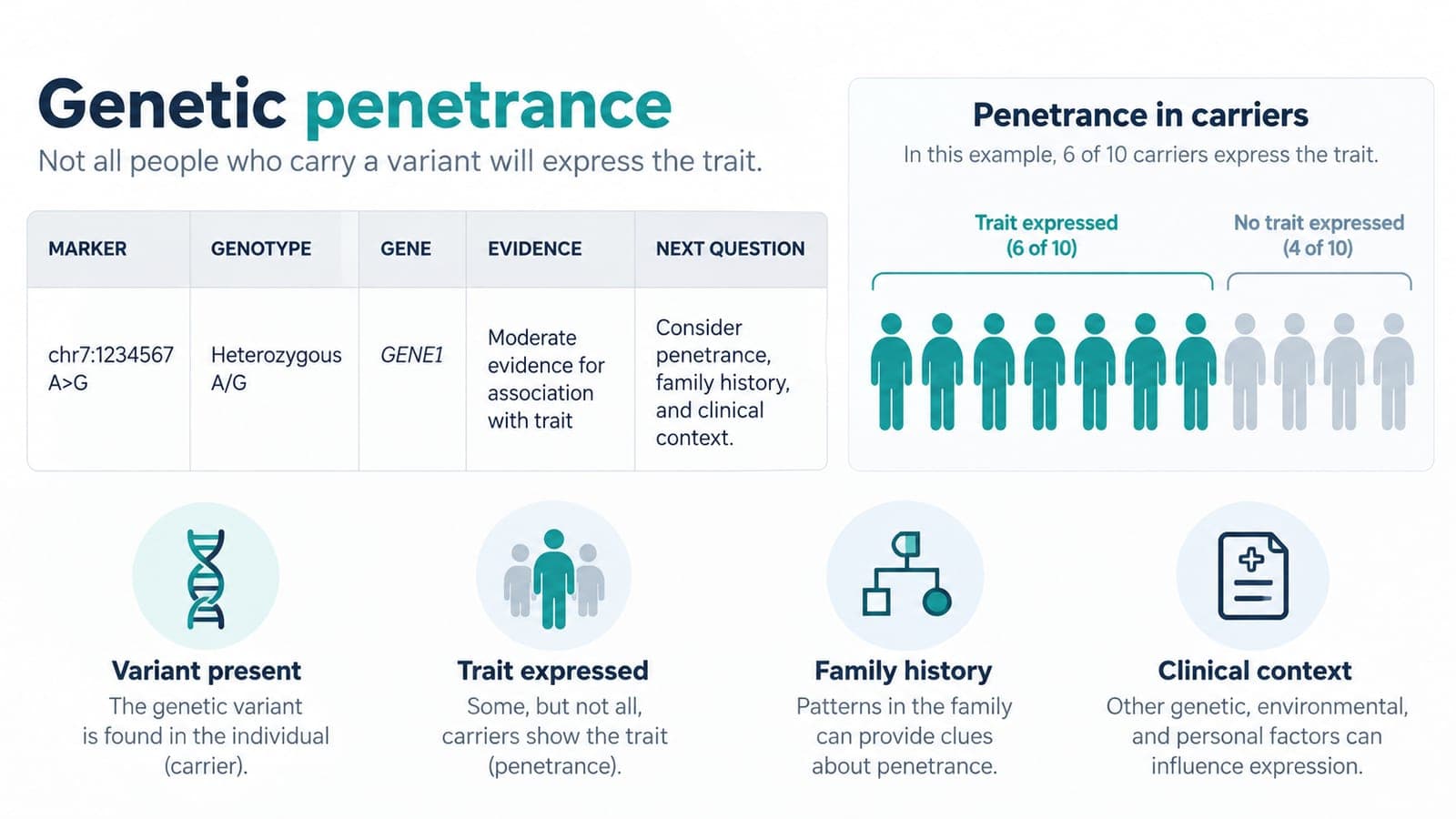
Genetic Penetrance: What a DNA Variant Can Mean
Learn what genetic penetrance means, why a variant may not lead to a trait, and how to review raw DNA findings without overreading them.
October 10, 2026 · 5 min read
raw dna
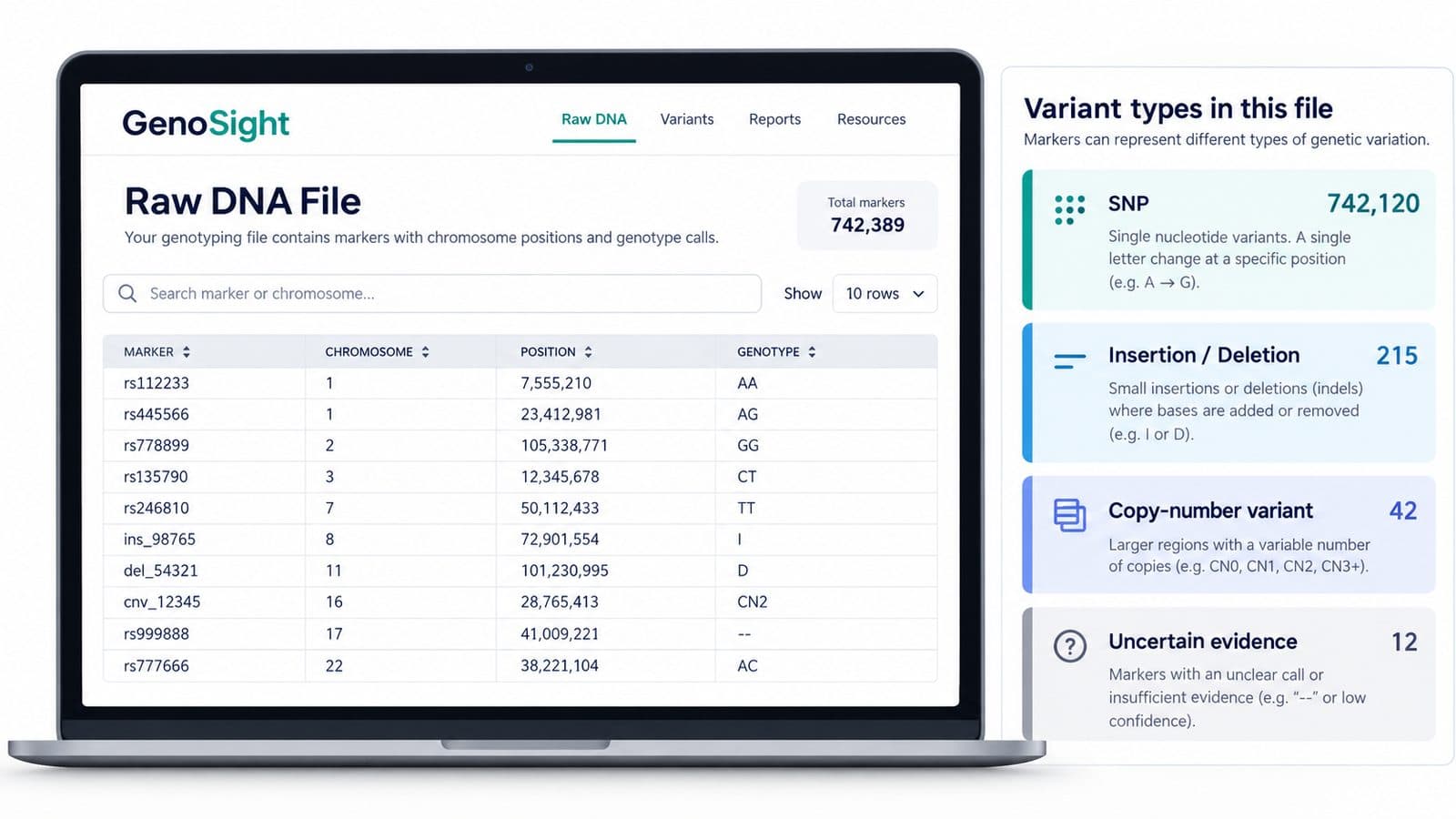
Genetic Variants: What Raw DNA Files Can Show
Learn what genetic variants are, how they appear in raw DNA files, and why a marker, genotype, and clinical interpretation are separate things.
October 9, 2026 · 5 min read
polygenic risk
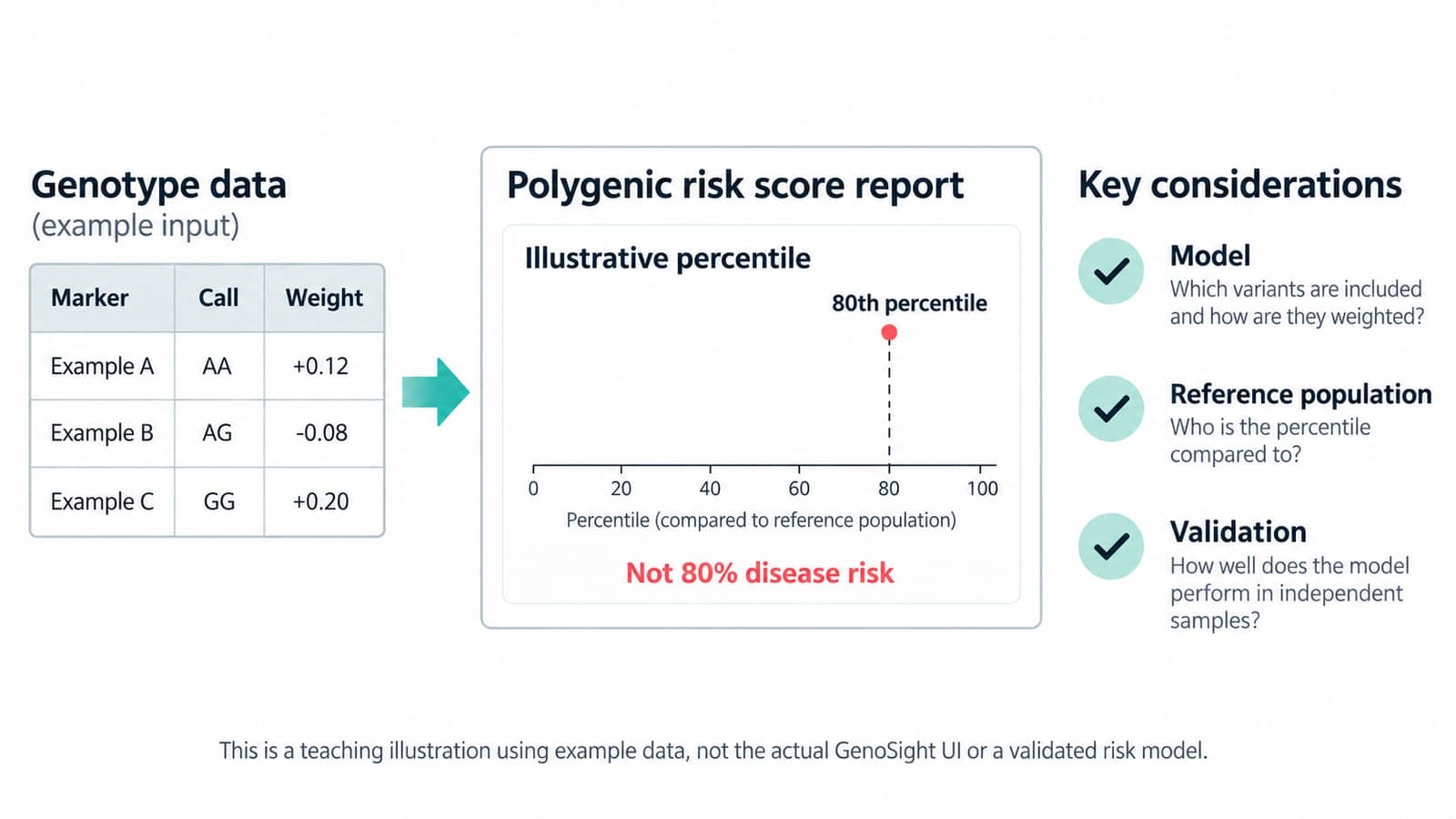
Polygenic Risk Score: How to Read a DNA Risk Estimate
Understand polygenic risk scores, percentiles, ancestry limits and raw DNA requirements, with a checklist for evaluating a report before acting on it.
October 8, 2026 · 6 min read
methylation
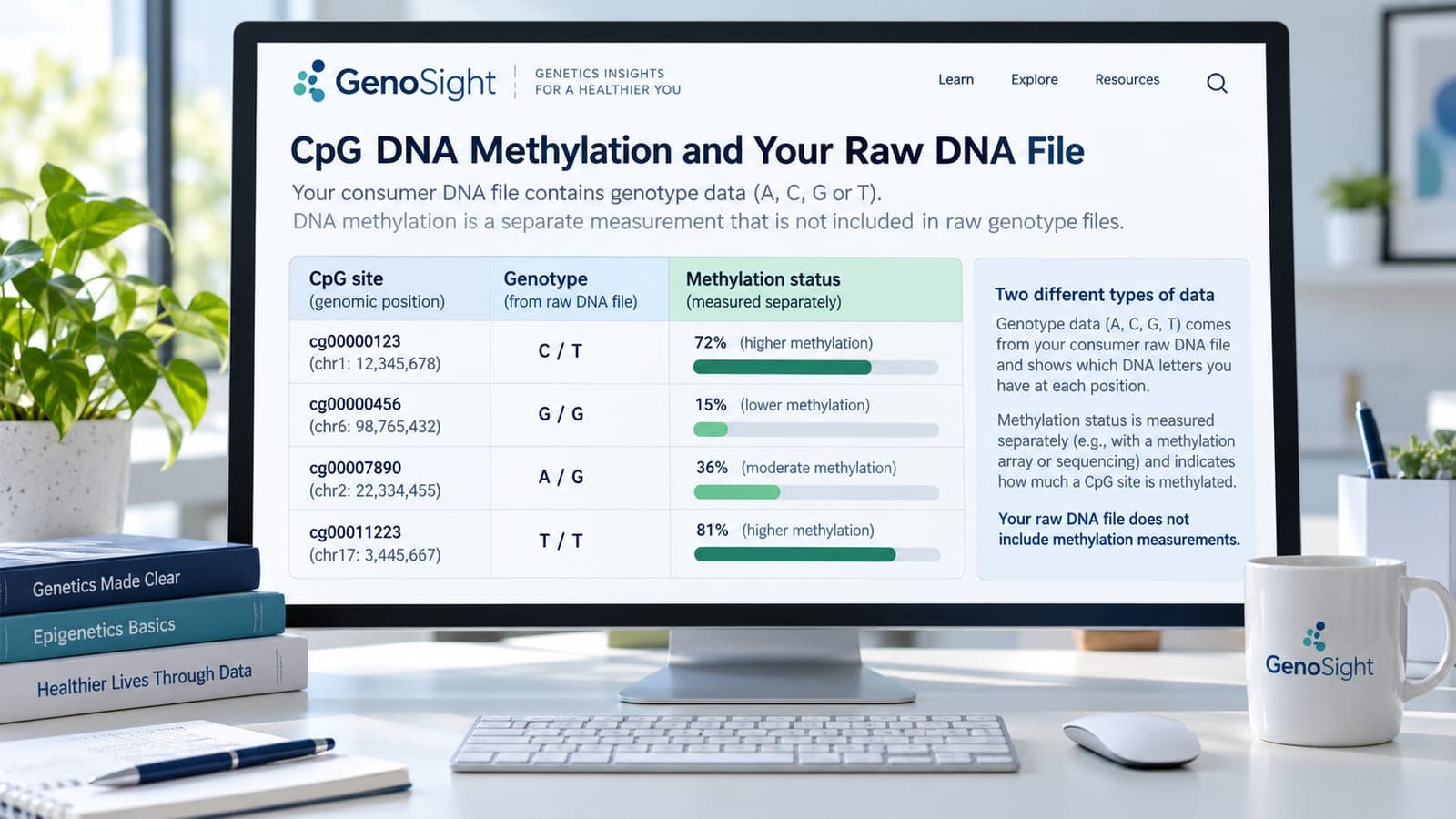
CpG DNA Methylation and Raw DNA Files Explained
Learn what CpG DNA methylation means, how it differs from inherited genotype data, and why consumer raw DNA files need separate context.
October 6, 2026 · 5 min read
snps explained
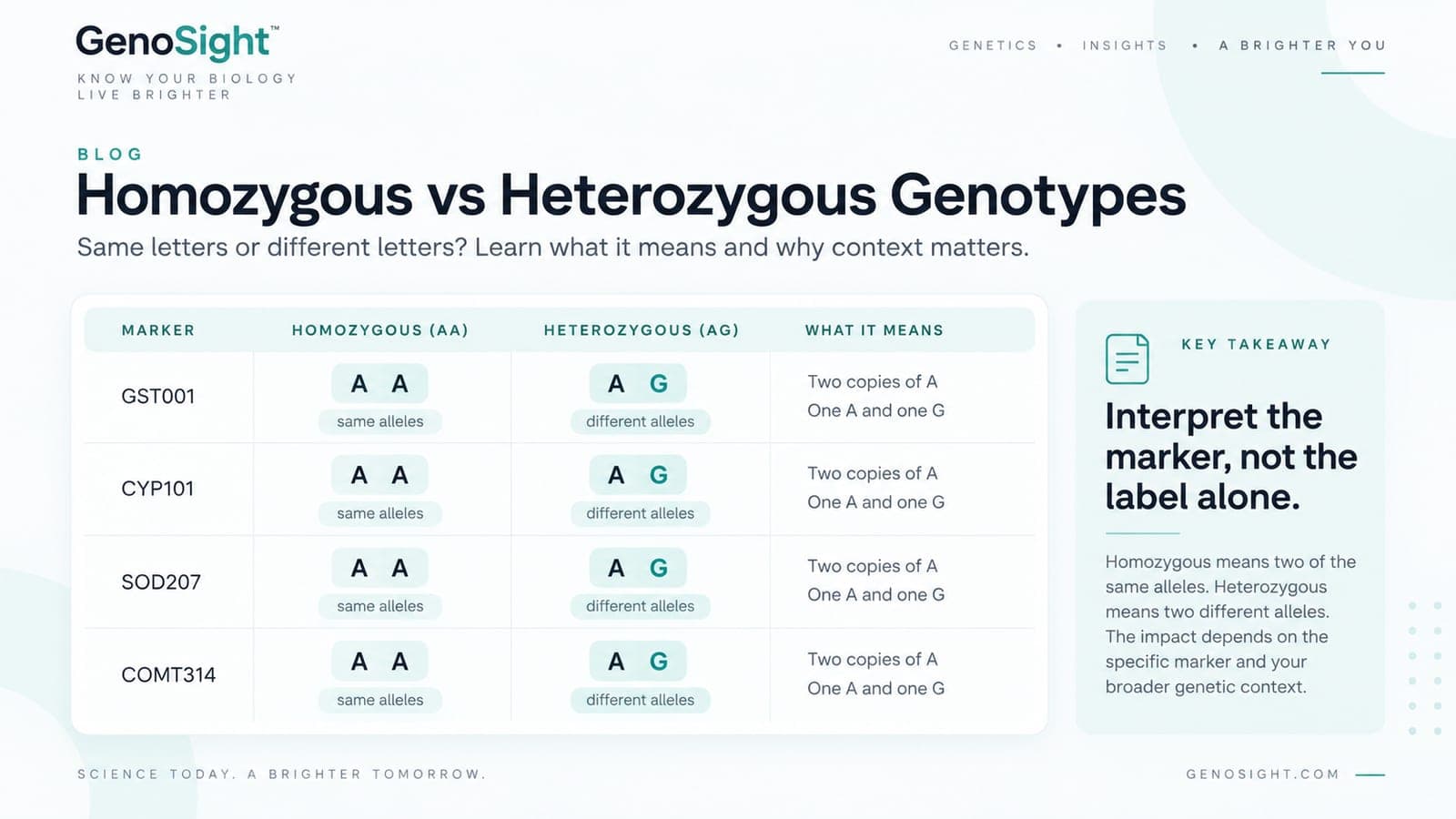
Homozygous vs Heterozygous Genotypes in Raw DNA
Compare homozygous and heterozygous genotype calls in raw DNA data, with examples, limits, and the context needed before interpreting a marker.
October 3, 2026 · 5 min read
methylation
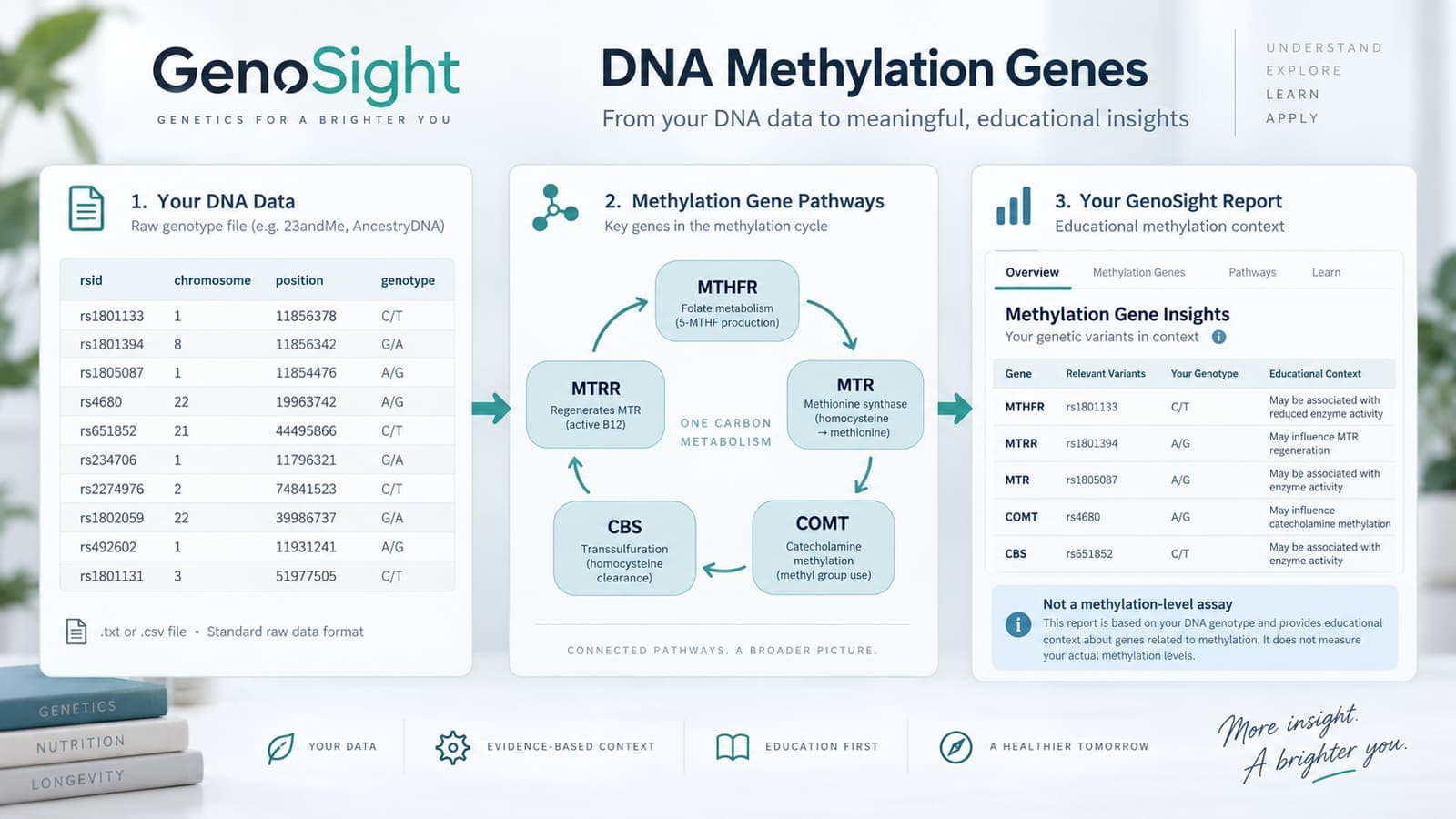
DNA Methylation Genes: What Raw DNA Can Show
Learn which methylation-related genes may appear in a consumer raw DNA file, what those variants can and cannot tell you, and when lab testing matters.
October 2, 2026 · 7 min read
snps explained
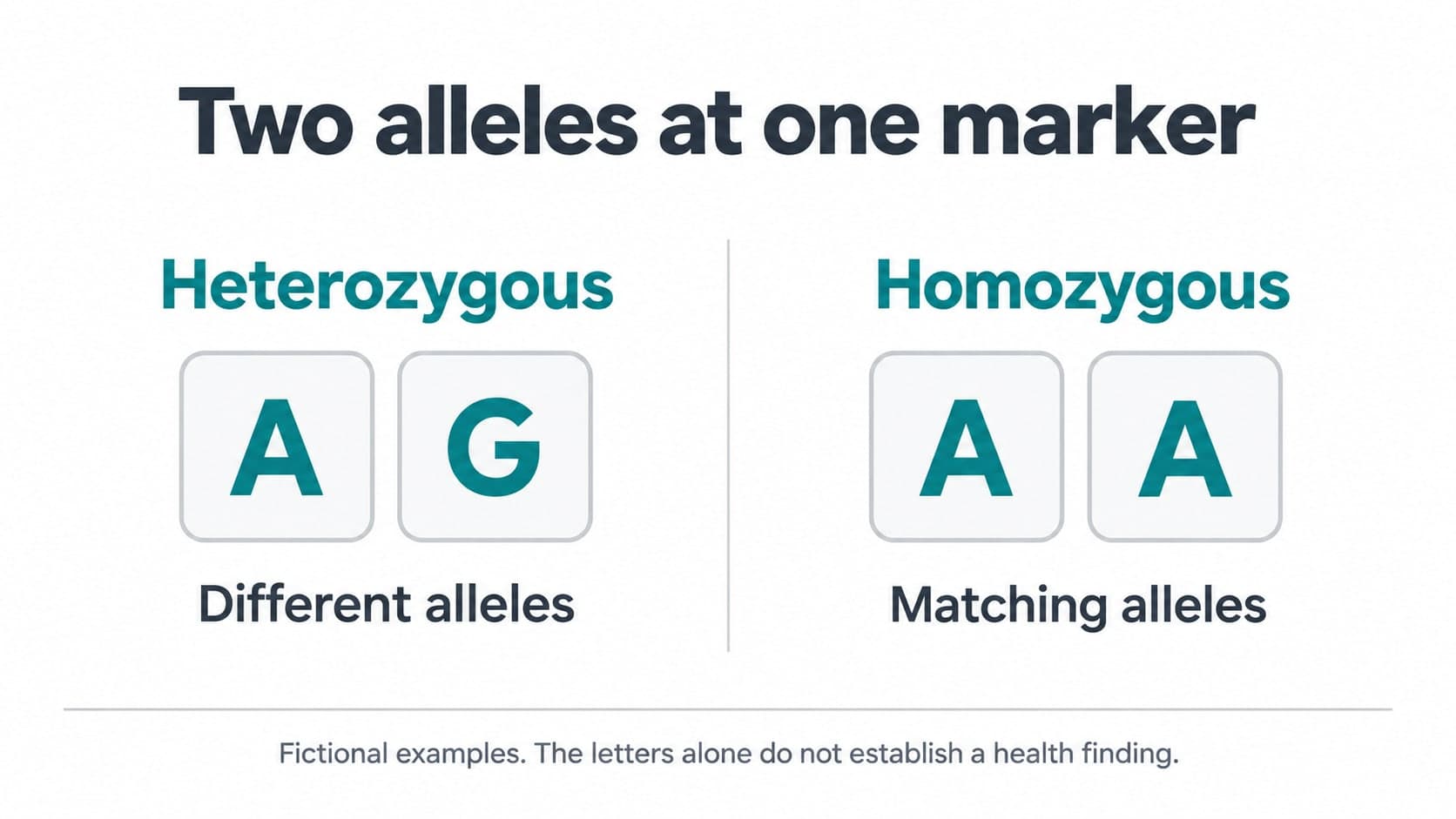
Heterozygous Genotype: Reading Two Different Alleles
Learn what a heterozygous genotype means in a raw DNA row, how it differs from homozygous, and why the label alone does not establish a health finding.
September 24, 2026 · 4 min read
snps explained
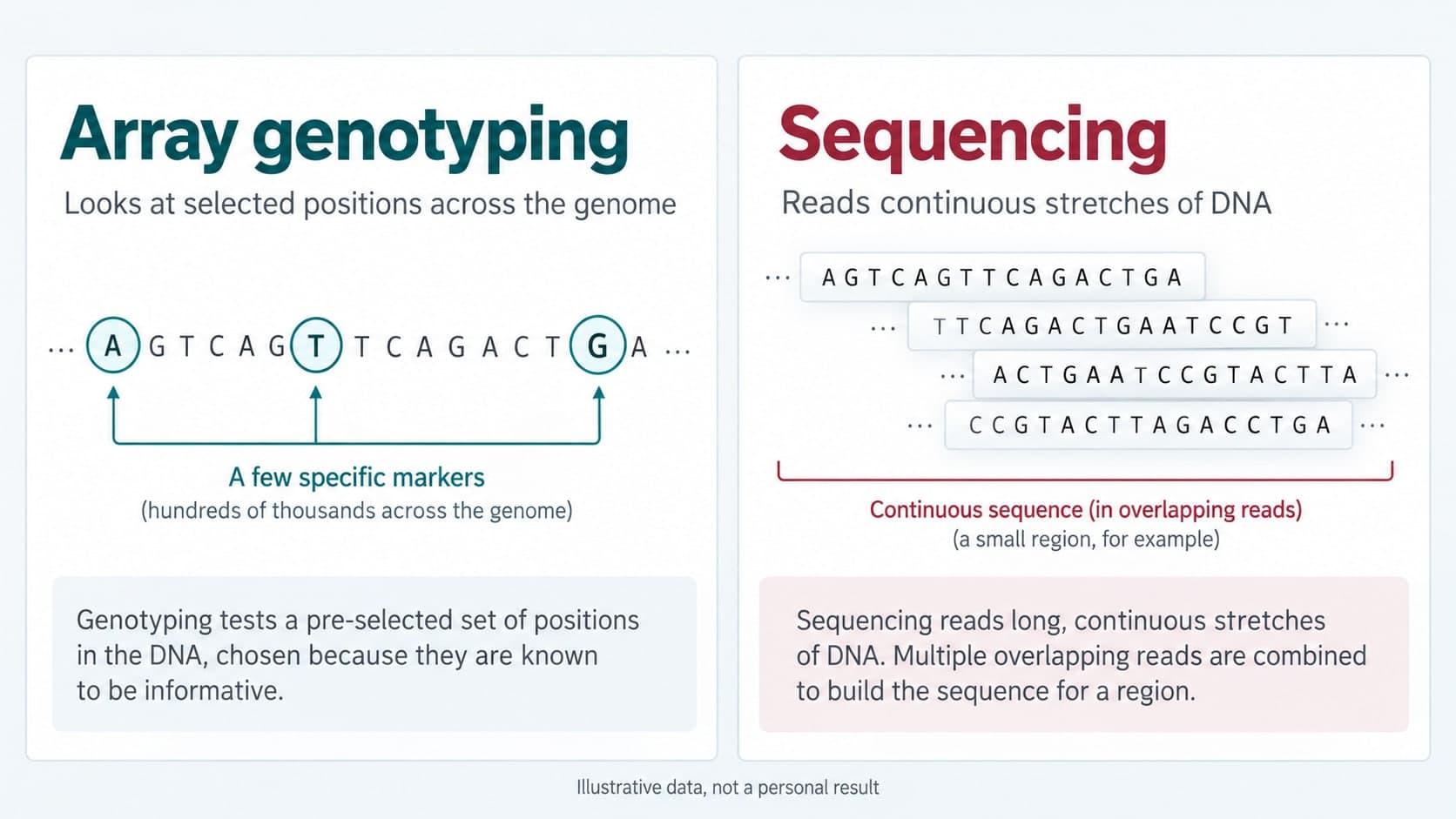
Genotyping vs Sequencing: What Your DNA File Contains
Compare array genotyping and DNA sequencing by coverage, output and limitations, then check what an existing raw DNA file can actually support.
September 22, 2026 · 4 min read
snps explained
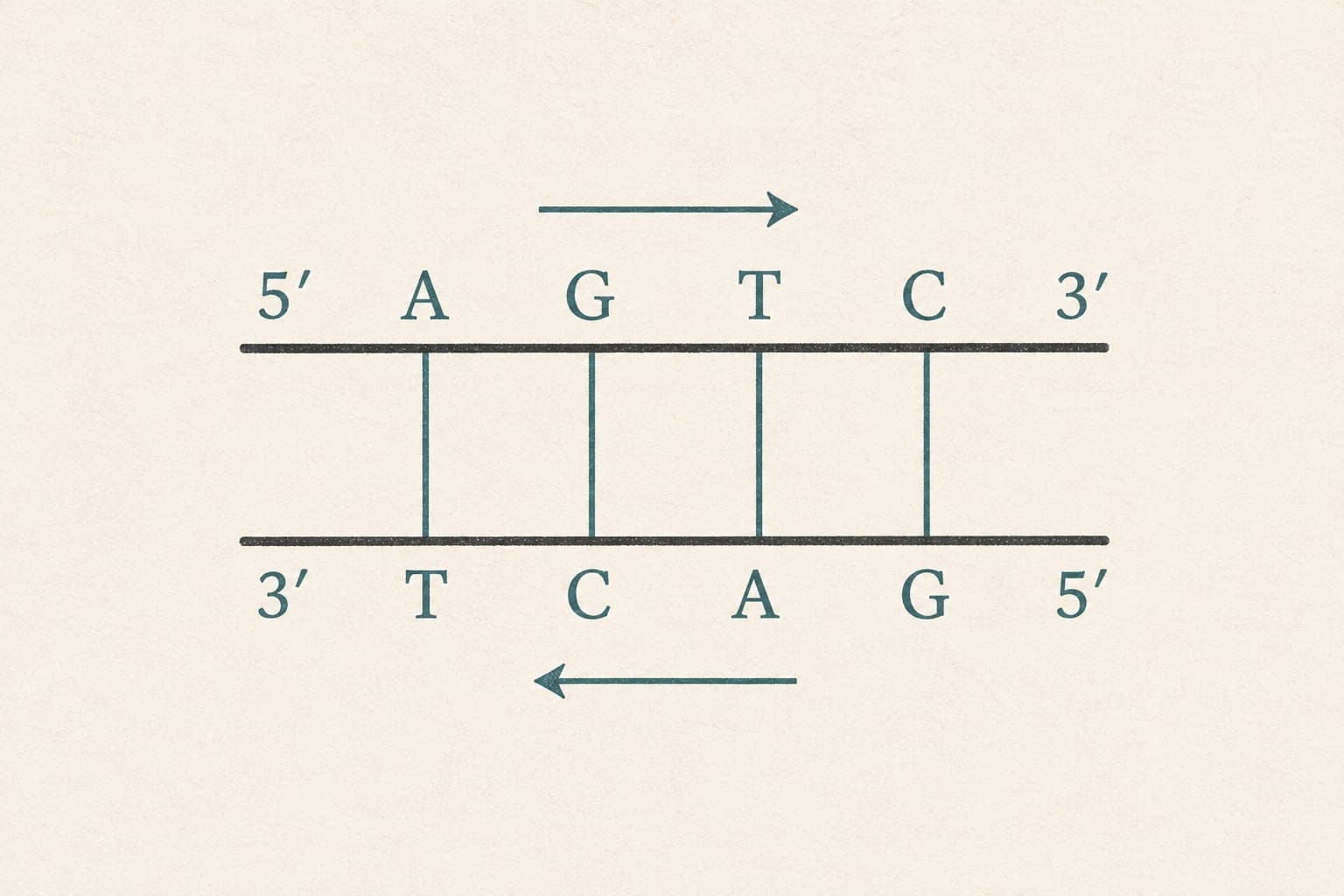
DNA Strand Orientation: Why Genotype Letters Can Differ
Understand plus and minus strands, complementary allele letters, and the reference checks needed before deciding that two raw DNA results disagree.
September 18, 2026 · 4 min read